Horizontal vs Vertical Fences: What Cypress Homeowners Prefer in 2026

When most people start planning a new fence, they usually focus on the material first.
Should it be wood?
Vinyl?
Aluminum?
But once that decision is made, another question quickly comes up.
Should the boards run horizontally or vertically?
At first, it seems like a design choice. In reality, the orientation of your fence affects everything from appearance and maintenance to cost and long term performance.
If you have driven through Cypress lately, you have probably noticed more modern horizontal fences popping up alongside traditional vertical privacy fences.
So which one is better?
The answer depends on your home, your budget, and what you want your fence to accomplish.
Let’s look at both styles so you can make an informed decision.
A fence is one of the largest visual features on most properties.
It can improve:
A thoughtfully designed fence also complements the architecture of your home instead of competing with it.
That is why more homeowners are spending time comparing styles before making a final decision.
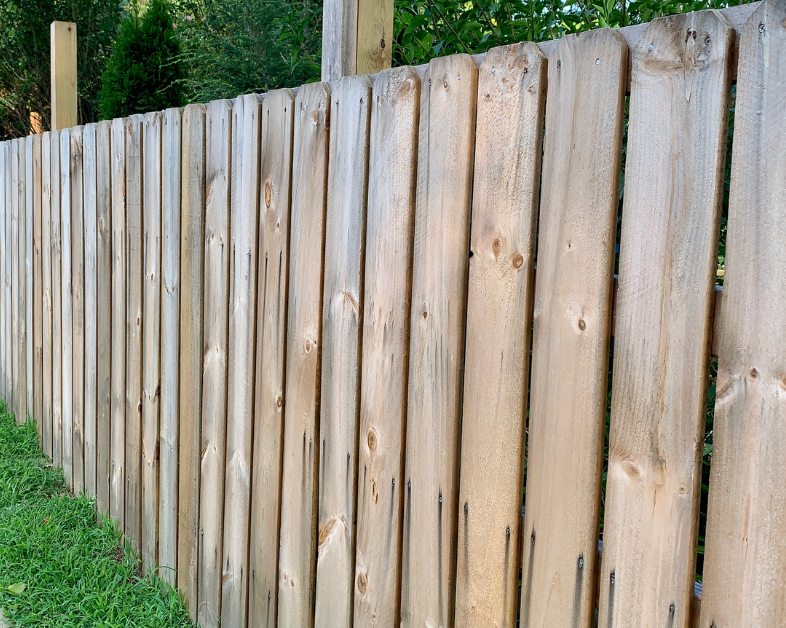
Vertical fencing is the traditional style most homeowners recognize.
The pickets run from top to bottom and attach to horizontal support rails.
This style has been popular for decades because it is simple, dependable, and works well with many different home designs.
If you picture a classic Texas privacy fence, chances are you are imagining a vertical fence.
There is a reason this style has remained the standard.
Whether your home is:
A vertical fence usually blends in naturally.
It feels familiar and timeless.
Because vertical fences use a straightforward construction method, installation is often simpler.
That can help reduce labor costs compared to more customized designs.
If one board becomes damaged after a storm or years of weather exposure, replacing individual pickets is often straightforward.
That makes maintenance more manageable over time.
Vertical wood privacy fences remain one of the most requested fence styles throughout Cypress because they create a solid visual barrier.
Horizontal fencing places the boards side to side instead of vertically.
Over the past several years, this style has become increasingly popular among homeowners looking for a more modern appearance.
Instead of feeling traditional, horizontal fencing creates long clean lines that give outdoor spaces a contemporary look.
The popularity of horizontal fencing continues to grow for several reasons.
Many homeowners simply love the clean architectural look.
Horizontal fencing pairs well with:
It often makes outdoor spaces feel more intentional and upscale.
Because the boards draw your eye across the property, horizontal fences often create the illusion of additional width.
For smaller backyards, this can make the space feel more open without sacrificing privacy.
A well designed horizontal fence stands out.
It creates a custom appearance that many homeowners appreciate, especially if they have recently renovated their home.
Although beautiful, horizontal fencing is not always the best fit for every property.
Horizontal fencing depends on consistent spacing and careful alignment.
Small installation errors become much more noticeable than they would on a traditional vertical fence.
Professional craftsmanship becomes especially important.
Wood naturally expands and contracts as weather changes.
Choosing quality lumber and proper installation methods helps reduce future movement.
Depending on the design and materials, horizontal fencing can require more planning and labor.
That may increase the overall project cost.
Living in Cypress means your fence experiences plenty of weather throughout the year.
Homeowners deal with:
According to the National Weather Service, Southeast Texas regularly experiences weather conditions that place extra stress on outdoor structures.
Fortunately, both horizontal and vertical fences can perform very well when they are properly installed.
The key is making sure the posts, framing, and materials are designed to handle local conditions.
Maintenance depends more on material than orientation.
For example:
A wood horizontal fence and a wood vertical fence both require periodic sealing or staining.
Vinyl fencing generally requires less maintenance regardless of board direction.
The biggest difference comes from accessibility.
Replacing an individual board on a traditional vertical fence may be slightly simpler than repairing part of a custom horizontal design.
Both styles can provide excellent privacy.
The deciding factor is not whether the boards run horizontally or vertically.
It is how the fence is designed.
Proper spacing between boards and overall fence height matter much more than board direction.
When installed correctly, both styles create a private outdoor space.
Both styles can improve property value.
A vertical privacy fence appeals to buyers looking for a classic design.
A horizontal fence often attracts homeowners who appreciate modern architecture and updated outdoor spaces.
The best choice depends on your neighborhood and the style of your home.
The goal should always be choosing a fence that feels like it belongs on the property.
Before choosing a fence style, consider these questions.
Do you prefer a timeless look or something more modern?
Is your home traditional or contemporary?
How important is staying within a specific budget?
Will you be maintaining the fence yourself?
How long do you plan to stay in your home?
Answering these questions often makes the decision much easier.
Whether you choose horizontal or vertical fencing, installation quality has a major impact on performance.
In Cypress, fences must withstand:
Posts that are not properly installed can create problems regardless of fence style.
That is why working with experienced professionals matters.
Our fence installation services are designed around local property conditions so homeowners receive a fence built to last instead of one that simply looks good on installation day.
Neither style is automatically stronger. Proper installation and quality materials have a much bigger impact on durability.
Horizontal fences often cost more because they typically require additional planning and labor.
Not necessarily. Maintenance depends primarily on the material you choose.
Traditional vertical privacy fences remain the most common, but horizontal fencing continues to grow in popularity among homeowners looking for a modern appearance.
Yes. Both styles perform well when installed correctly using quality materials designed for local conditions.
There is no universal winner between horizontal and vertical fencing.
If you love timeless design, straightforward maintenance, and a classic appearance, a vertical fence may be the perfect fit.
If you want a modern outdoor space with clean architectural lines, a horizontal fence may better match your vision.
Both styles can provide years of privacy, security, and curb appeal when built with quality materials and installed properly.
Every property is different, and the best fence is one that fits your home’s style, your budget, and your long term goals.
If you are considering a new fence, explore our fence installation services to learn more about the options available. If your current fence still has good structural integrity, our fence repair services may help you extend its life before investing in a complete replacement.